
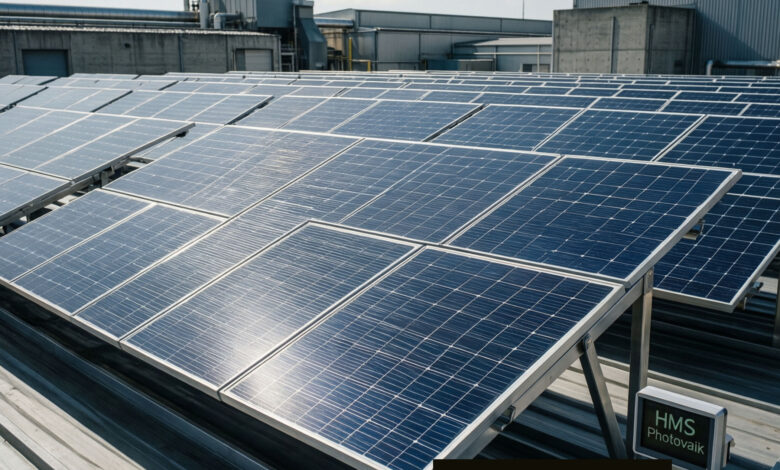
The global shift toward renewable energy has made solar power one of the most discussed and adopted technologies of our time. At the center of this transition, hms photovoltaik stands out as a term increasingly associated with intelligent solar systems, digital energy management, and future-ready photovoltaic solutions. Whether you are a homeowner, installer, or energy professional, understanding how this concept fits into the broader solar landscape can help you make smarter decisions.
Unlike traditional solar setups that focus only on power generation, hms photovoltaik emphasizes connectivity, monitoring, and efficiency. It represents a modern approach to photovoltaics where data, automation, and performance optimization work together. This combination allows solar systems to become more reliable, scalable, and profitable over time, especially in a world where energy demands are constantly evolving.
Understanding the Concept Behind HMS Photovoltaik
At its core, hms photovoltaik refers to the integration of advanced communication and monitoring technologies within photovoltaic systems. Instead of operating as isolated hardware, solar panels and inverters become part of a connected ecosystem. This enables real-time data exchange, system diagnostics, and smarter energy control.
Another important aspect is flexibility. With hms photovoltaik-based systems, users can adapt their solar installations to changing needs. Whether adding battery storage, connecting to smart grids, or expanding capacity, the system architecture is designed to grow without requiring a complete overhaul. This adaptability makes it attractive for both residential and commercial applications.
Why HMS Photovoltaik Matters in Modern Solar Energy
The renewable energy sector is no longer just about producing electricity; it is about managing it intelligently. hms photovoltaik matters because it bridges the gap between energy generation and digital control. By enabling seamless communication between components, it reduces downtime and improves overall system efficiency.
Equally important is reliability. Solar systems equipped with smart monitoring can detect issues early, sometimes before they cause noticeable performance drops. This proactive approach not only saves maintenance costs but also ensures consistent energy output. In an era where energy reliability is critical, hms photovoltaik adds a layer of confidence to solar investments.
Core Components in HMS Photovoltaik Systems
A typical hms photovoltaik setup includes solar panels, inverters, communication gateways, and monitoring software. These elements work together to ensure that energy production data is collected, analyzed, and acted upon in real time. Each component plays a specific role in maintaining system health.
The communication layer is what truly defines hms photovoltaik. It allows devices from different manufacturers to interact smoothly, avoiding compatibility issues. This open-system approach gives users freedom of choice and prevents vendor lock-in, which is a common concern in large-scale solar projects.
Role of Digital Monitoring and Connectivity
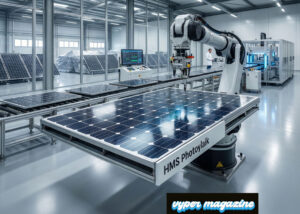
Digital monitoring is one of the strongest advantages of hms photovoltaik solutions. Through web-based dashboards or mobile applications, users can track energy production, consumption patterns, and system performance from anywhere. This transparency makes energy management more intuitive and less dependent on technical expertise.
Connectivity also supports remote troubleshooting. Installers and service providers can access system data without being physically present, reducing response times. As one solar engineer put it,
“Smart monitoring turns solar systems from static installations into living, responsive energy networks.”
This statement captures the essence of how hms photovoltaik transforms the user experience.
Efficiency and Performance Optimization
Efficiency is not only about how much sunlight panels convert into electricity. With hms photovoltaik, efficiency extends to how effectively that electricity is used and managed. Smart algorithms can optimize inverter performance, balance loads, and even predict future energy output based on weather data.
Performance optimization also contributes to longer system lifespan. By preventing overloads and identifying irregularities early, components experience less stress. Over time, this translates into higher returns on investment and a more sustainable energy solution overall.
Comparison with Traditional Photovoltaic Systems
To better understand the value of hms photovoltaik, it helps to compare it with conventional solar systems. Traditional setups often operate independently, with limited monitoring and manual maintenance. In contrast, smart photovoltaic systems are dynamic and data-driven.
Below is a simple comparison table highlighting key differences:
| Feature | Traditional PV Systems | HMS Photovoltaik Systems |
|---|---|---|
| Monitoring | Basic or none | Real-time digital monitoring |
| Connectivity | Limited | High-level system integration |
| Maintenance | Reactive | Predictive and proactive |
| Scalability | Complex upgrades | Easy expansion |
| Energy Management | Manual | Automated and intelligent |
This comparison shows why many new installations are moving toward hms photovoltaik-based designs.
Applications in Residential and Commercial Settings
In residential environments, hms photovoltaik enables homeowners to better understand and control their energy usage. Features like consumption tracking and battery integration make it easier to maximize self-consumption and reduce reliance on the grid. Over time, this can significantly lower electricity bills.
Commercial and industrial users benefit on a larger scale. With multiple systems running simultaneously, centralized monitoring becomes essential. hms photovoltaik allows facility managers to oversee performance across sites, ensuring compliance with energy targets and sustainability goals.
Integration with Energy Storage and Smart Grids
Energy storage plays a crucial role in the future of solar power, and hms photovoltaik is designed with this in mind. By seamlessly integrating batteries, users can store excess energy and use it when production is low. This improves energy independence and resilience.
Smart grid compatibility is another key advantage. hms photovoltaik systems can communicate with grid operators, adjusting output based on demand. This two-way interaction supports grid stability and opens the door to advanced concepts like virtual power plants and demand response programs.
Economic and Environmental Benefits
From an economic perspective, hms photovoltaik offers long-term savings through optimized performance and reduced maintenance costs. While the initial investment may be slightly higher than basic systems, the return on investment is often superior due to efficiency gains and system longevity.
Environmentally, smarter solar systems mean better use of renewable resources. By minimizing energy losses and maximizing output, hms photovoltaik contributes to lower carbon emissions. As one sustainability consultant noted,
“The smartest kilowatt is the one you never waste.”
This philosophy aligns perfectly with the goals of modern photovoltaics.
Challenges and Considerations
Despite its advantages, adopting hms photovoltaik requires careful planning. System complexity can be higher, and proper configuration is essential to unlock its full potential. Working with experienced installers and understanding system requirements can mitigate these challenges.
Data security is another consideration. Since connected systems rely on digital communication, protecting energy data is crucial. Reputable solutions prioritize encryption and secure protocols, ensuring that the benefits of connectivity do not come at the cost of privacy or safety.
Future Trends in HMS Photovoltaik
The future of hms photovoltaik looks promising as technology continues to evolve. Artificial intelligence and machine learning are expected to play a larger role in predictive maintenance and energy forecasting. These advancements will further enhance system autonomy and efficiency.
Another emerging trend is deeper integration with electric vehicles and home automation systems. As homes become smarter, hms photovoltaik will act as a central energy hub, coordinating solar production, storage, and consumption in real time.
Conclusion
The transition to renewable energy demands solutions that are not only clean but also intelligent. hms photovoltaik represents this next step by combining solar power with digital connectivity and smart management. From improved efficiency to enhanced reliability, it offers clear advantages over traditional photovoltaic systems.
As energy systems become more complex and interconnected, adopting smart solar technologies is no longer optional—it is essential. By embracing hms photovoltaik, users position themselves at the forefront of sustainable energy innovation while enjoying greater control and long-term value.
Frequently Asked Questions About HMS Photovoltaik
What is hms photovoltaik and how does it work?
hms photovoltaik refers to smart photovoltaic systems that integrate communication and monitoring technologies. These systems work by connecting solar components through digital interfaces, allowing real-time data exchange and optimized performance.
Is hms photovoltaik suitable for residential homes?
Yes, hms photovoltaik is well-suited for residential use. It helps homeowners monitor energy production, integrate batteries, and maximize self-consumption, leading to better energy efficiency and cost savings.
How does hms photovoltaik improve system efficiency?
hms photovoltaik improves efficiency by using real-time data to optimize inverter performance, detect issues early, and manage energy flow intelligently. This reduces losses and enhances overall output.
Can hms photovoltaik systems integrate with batteries?
Absolutely. One of the strengths of hms photovoltaik is seamless integration with energy storage systems. This allows excess solar energy to be stored and used when needed.
Is hms photovoltaik more expensive than traditional systems?
The initial cost of hms photovoltaik systems can be slightly higher, but the long-term benefits often outweigh the investment. Improved efficiency, lower maintenance costs, and system longevity contribute to better overall value.
More Article Links : Markiseteppe: A Complete Guide to Stylish and Practical Outdoor Comfort